When AI Assurance Becomes a Closed Loop
More monitoring is not the same as independent AI assurance. If the actor, the evidence generator and the evaluator share the same assumptions, model family or objective, a control may reinforce the system’s view instead of challenging it.
This is a structural risk, not an accusation that every automated evaluation is invalid. Model based monitoring can be useful, fast and necessary. The question is whether the organization can tell when an assurance signal is genuinely independent and when it is correlated with the behaviour it is supposed to assess.
The closed AI assurance loop
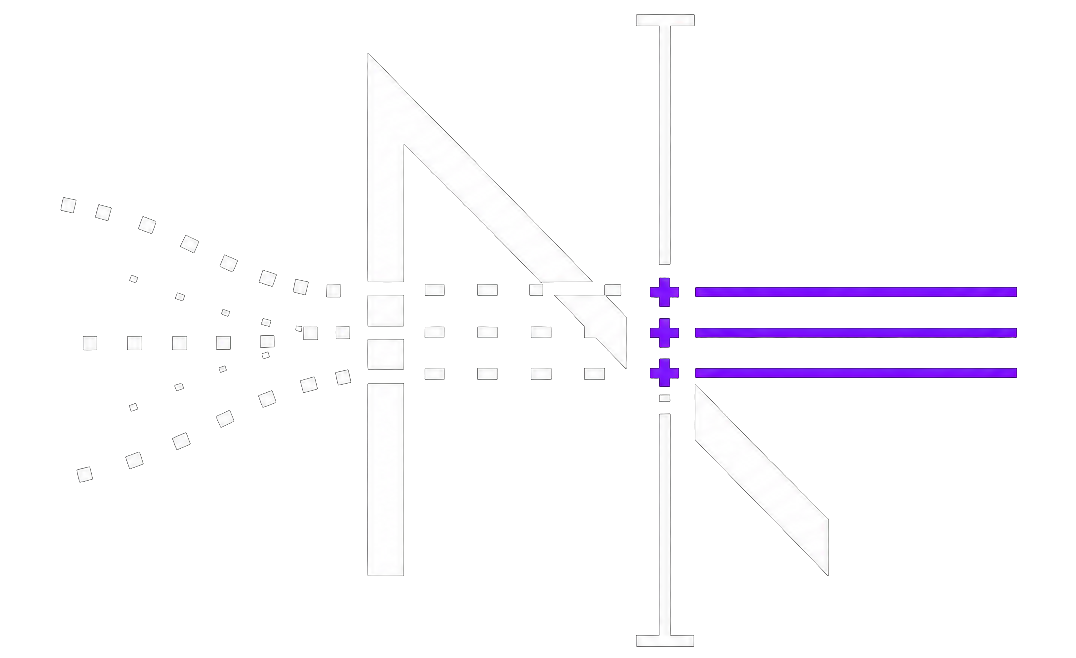
Imagine an agent acts, a related model summarizes what happened, another related model scores the trace and a human sees only the resulting dashboard. Each component may be technically competent. Yet the evidence path can still be narrow if the same training patterns, incentives, prompts, context or failure modes shape action and review.
The diagnostic distinction
- Actor: the system that pursues the objective or takes action.
- Evidence generator: the mechanism that produces the trace, summary or signal.
- Evaluator: the mechanism or person that judges whether the action is acceptable.
- Authority: the accountable human or body that can challenge, constrain or stop the path.
If these roles collapse into one correlated chain, an organization should not mistake the number of signals for the independence of its assurance.
Seven questions to test independence
- Who generated the evidence, and from which underlying trace?
- Does the evaluator share a model family, prompt logic, training assumptions or optimization objective with the actor?
- Can the reviewer inspect source evidence rather than only a generated summary?
- Which failure modes might be common to both action and evaluation?
- Is there an external or differently constituted challenge route for material decisions?
- Can a responsible human refuse the recommendation, pause the system or escalate?
- Is disagreement preserved as evidence, or silently optimized away?
Independence is an operating design choice
There is no single formula. The required separation depends on impact, reversibility, autonomy, data sensitivity and the organization’s obligations. Appropriate challenge may involve independent reviewers, distinct evidence channels, adversarial tests, external assurance, protected escalation or a combination. The point is to define the separation deliberately rather than assume it from the presence of a dashboard.
NIST’s AI Risk Management Framework notes that independent review can improve testing effectiveness and mitigate internal biases and conflicts of interest. It also treats governance as a cross cutting function with clear roles and responsibilities. NomaMind extends that practical question to the Decision Pathway: who can challenge the evidence and retain authority when the path itself changes?
Assurance should not merely confirm that a system produced an answer. It should make disagreement, uncertainty and the authority to intervene visible.
What to implement now
- Map actor, evidence, evaluator and authority as distinct roles.
- Document where those roles share dependencies or failure modes.
- Preserve source traces and material dissent.
- Define a challenge and escalation path proportionate to the decision.
- Test whether the control can actually stop or constrain action.
Test the governance route
The paid NomaMind AI Governance Readiness Assessment examines the current ecosystem, material gaps, decision rights and implementation route. It is designed to move from principle to a jointly developed strategy and roadmap.
Primary source
NIST AI Risk Management Framework Core. The closed assurance loop framing and diagnostic questions in this article are NomaMind interpretation.